Immediate Assessment and Safety Priorities After Roof Damage
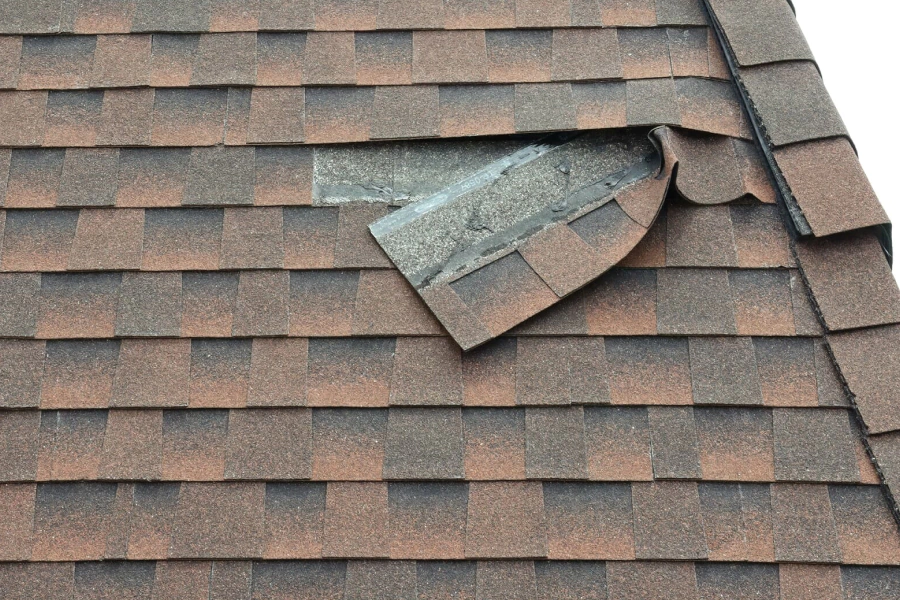
The first moments after discovering roof damage determine whether you face a manageable repair or catastrophic water intrusion. Before climbing onto your roof or entering your attic, assess the situation from ground level. Look for obvious signs: missing shingles scattered in your yard, visible punctures or holes when viewing from the street, or active water dripping inside your home. These indicators tell you whether the situation is stabilized or actively worsening.
Safety takes absolute priority. Never attempt to inspect a wet, icy, or storm-damaged roof yourself. In Hudson’s winter months, ice accumulation creates deadly fall hazards, and even a minor slip can result in serious injury. If water is actively entering your home, move furniture and valuables away from the affected area immediately. Place buckets to catch drips and use towels to absorb standing water on floors. Turn off electricity to any rooms experiencing active leaks to prevent shock hazards.
If you can safely access your attic, a quick visual check reveals the leak’s severity. Look for wet insulation, visible daylight through gaps, or water stains on rafters. This information helps roofing contractors prioritize your service call and prepare the right materials. Never delay contacting an emergency roofer when you detect active leaks, even small drips indicate compromised weatherproofing that worsens with every rain cycle.
Temporary Measures to Prevent Further Damage Before Help Arrives
Once you’ve assessed the damage and ensured everyone’s safety, temporary protection becomes critical. Emergency tarping stops additional water intrusion until permanent roof repair services can arrive. If you choose to tarp yourself, use only heavy-duty polyethylene tarps rated for outdoor use, minimum 6-mil thickness. Secure tarps with wooden boards and sandbags, never nails or stakes that create new penetration points in your roofing system. Extend the tarp at least four feet beyond the damaged area in all directions to ensure complete coverage.
Inside your home, immediate action prevents secondary damage to ceilings, walls, and belongings. Remove all furniture, electronics, and valuables from rooms beneath the leak. If ceiling drywall is sagging with trapped water, carefully puncture the lowest point with a screwdriver to allow controlled drainage into a bucket, this prevents sudden collapse. Run fans and dehumidifiers to dry affected areas quickly, mold begins growing within 24 to 48 hours in Hudson’s humid summer conditions.
For flat or low-slope roofs common on garages and additions, standing water accelerates damage. Use a push broom to gently move pooled water toward drainage points, but never walk on compromised roofing membrane. These temporary steps buy you time, but they are not substitutes for professional roof leak repair. Every day of delay allows moisture to penetrate deeper into structural wood, insulation, and interior finishes, multiplying your eventual repair costs exponentially.
How to Document Roof Damage for Insurance Claims and Reimbursement
Proper documentation transforms a stressful insurance claim into a straightforward reimbursement process. Begin by photographing all visible damage from multiple angles before making any temporary repairs. Capture wide shots showing your entire roof and close-ups of specific problem areas like missing shingles, punctures, or lifted flashing. Photograph interior damage as well: water stains on ceilings, wet insulation in the attic, and any belongings affected by leaks. Time-stamp your photos if possible, or send them to your email account to create an automatic digital record.
Create a written inventory of all damaged property, including approximate ages and replacement values. If wind scattered shingles across your yard, collect a few samples and photograph them in place before cleanup. This evidence proves storm damage occurred and helps adjusters understand the event’s severity. Most homeowners insurance policies cover sudden storm damage but exclude gradual deterioration from poor maintenance, so demonstrating a specific weather event caused your damage is essential.
Contact your insurance company within 24 hours of discovering damage, most policies require prompt notification. Request a claim number and ask about your deductible, preferred contractor networks, and the inspection timeline. Keep detailed notes of every conversation, including dates, times, and the names of representatives you speak with. When professional roof repair services arrive, ask for a written estimate that separates emergency stabilization costs from permanent repairs. Many insurers cover temporary tarping as part of your claim, reducing your immediate out-of-pocket expense and protecting your home while the claims process unfolds.
When and How to Call a Professional Roofing Contractor
Knowing when to call an emergency roofer versus waiting for standard business hours can mean the difference between a contained problem and extensive structural damage. Contact a roofing contractor immediately if you observe active leaking, large sections of missing shingles, visible holes or punctures, sagging roof sections, or if a tree or branch has impacted your roof. These situations worsen rapidly, especially during Hudson’s severe spring storms when consecutive days of rain can turn a small leak into thousands of dollars in interior damage.
When calling for roof repair services, provide specific details: describe what you see, mention any recent weather events, explain whether water is actively entering your home, and note if you’ve already placed temporary tarps or taken other protective measures. This information helps dispatchers prioritize your call and ensures the crew arrives with appropriate materials and equipment. Ask about response times, after-hours availability, and whether they offer emergency tarping services. Reputable roofing companies provide clear estimates for temporary protection separate from permanent repair quotes, giving you transparency before authorizing work.
Be cautious of storm chasers, unlicensed contractors who canvas neighborhoods after severe weather promising quick, cheap repairs. Always verify the contractor operates locally, maintains current insurance, and provides references from recent projects. Established contractors stand behind their work long-term, while fly-by-night operators disappear before problems surface. Your insurance company may recommend preferred vendors, but you retain the right to choose your own qualified contractor. Once you’ve selected a roofer, maintain open communication throughout the repair process and do not hesitate to reach out with questions about timelines, materials, or next steps.
Long-Term Repair Planning and Prevention Strategies for Roof Durability
Knowing when to call an emergency roofer versus waiting for standard business hours can mean the difference between a contained problem and extensive structural damage. Contact a roofing contractor immediately if you observe active leaking inside your home, missing sections of roofing material larger than a few shingles, visible sagging in your roof deck, or damage that exposes your attic or interior spaces to the elements. These situations demand 24/7 emergency response to prevent mold growth, electrical hazards, and structural compromise.
When you reach out for roof repair services, prepare to describe the damage clearly: note the approximate size of the affected area, when the damage occurred, whether you’ve taken temporary protective measures, and if water is actively entering your home. A quality emergency roofer will ask about your home’s age, roofing material, and any previous repairs to assess the urgency and required response. In Hudson, WI, spring storms and winter ice dams create peak demand for roof leak repair, so establishing a relationship with a local roofing contractor before disaster strikes ensures faster response when minutes matter.
Professional roofers bring more than tools and materials. They provide insurance documentation support, identify hidden damage your initial assessment may have missed, and execute repairs that meet local building codes. For urgent situations requiring immediate stabilization, TS Roofing Hudson, WI offers emergency roof tarping and storm damage assessment throughout Hudson and surrounding St. Croix County communities. Rather than attempting complex repairs yourself, invest in expert roof repair services that protect both your immediate safety and your home’s long-term structural integrity.